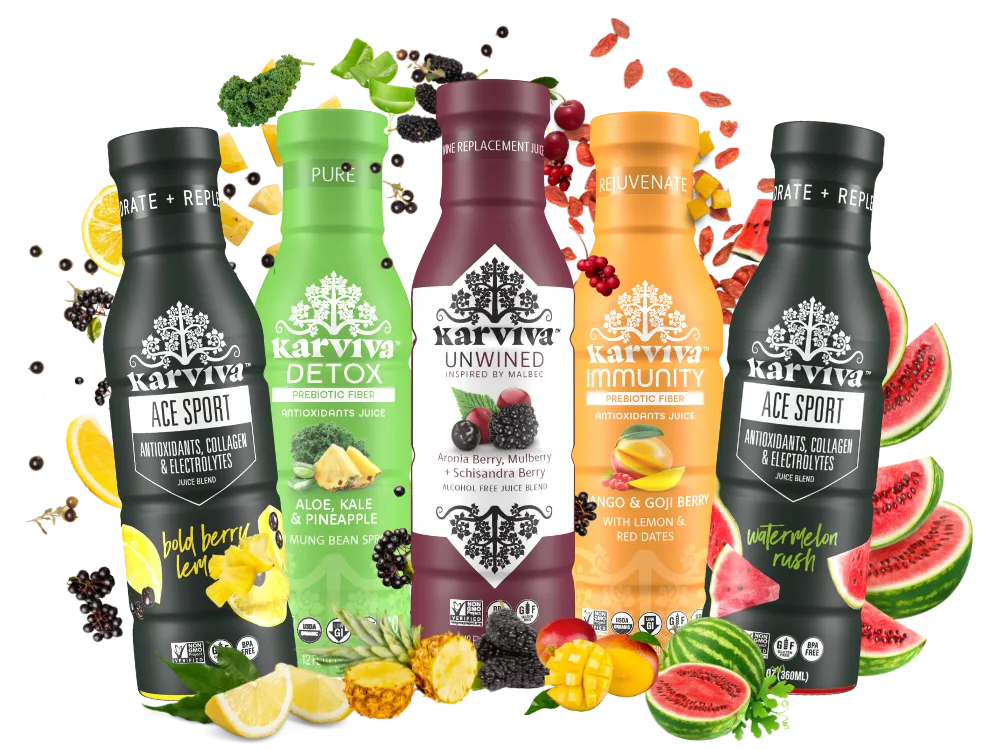





At Karviva, we don’t believe in “fixing” your hormones or forcing your body into submission. Instead, we honor your body’s natural wisdom—helping it adapt, regulate, and restore balance with the right foundation. Our food-first philosophy combines the latest in nutritional science with the time-tested principles of Traditional Chinese Medicine.
How Karviva Supports Stress Resilience
Our whole-plant functional beverages are crafted to help you feel your best, every day. Here’s how:
- Blood Sugar Balance: Our low-sugar drinks provide steady energy, helping you avoid the spike-and-crash cycle that can trigger stress hormones like cortisol. Learn more about blood sugar and stress.
- Gut-Brain Support: We pack our beverages with prebiotic-rich ingredients that feed the good bacteria in your gut—essential for a healthy stress response and mood regulation. Discover the science behind the gut-brain axis.
- Cellular Protection: Powerful antioxidants from whole plants help your body manage oxidative stress and inflammation, supporting overall resilience. Read more about antioxidants and stress reduction.
- Easy Daily Ritual: Our drinks are simple, delicious, and designed for consistency—because building resilience is about sustainable daily habits, not extreme interventions. Explore our Karviva Rituals Blog for tips on daily wellness.
We believe that resilience isn’t built with quick fixes, but through thoughtful, consistent choices that support your body’s natural ability to heal and thrive.
Common Questions About Stress, Hormones, and Your Body
Why do I feel exhausted even if my hormones are “normal”?
You’re not alone—many people feel tired even when lab results look fine. Chronic exhaustion can be caused by:
- Disrupted cortisol rhythm (levels may be “normal,” but timing is off)
- Poor sleep quality
- Blood sugar swings
- Nutrient deficiencies (like B vitamins, magnesium, iron)
- Gut-brain axis imbalances
- Mental and emotional overload
These are functional challenges, not gland failure. The good news? Nutrition, rest, and mindful stress management can make a real difference.
What’s the difference between “adrenal fatigue” and real adrenal problems?
Actual adrenal insufficiency (like Addison’s disease) is rare and serious, requiring medical care. “Adrenal fatigue” is a wellness term for symptoms like exhaustion and stress intolerance, but research shows your glands aren’t actually “tired”—it’s more about your body’s stress-response systems getting out of sync. The symptoms are real, but the mechanism is more nuanced.
Can stress affect my hormones even if my tests are normal?
Absolutely. Standard hormone tests are just a snapshot. Stress can:
- Disrupt cortisol rhythms (should be high in the morning, low at night)
- Alter hormone timing and sensitivity
- Affect communication between your brain and endocrine system (the HPA axis)
Both Traditional Chinese Medicine and modern science agree: it’s not just about hormone amounts, but about healthy rhythms and communication.
Why does stress upset my digestion?
The gut-brain connection is strong. When you’re stressed, your body:
- Redirects blood away from digestion
- Reduces digestive enzymes
- Changes gut motility (leading to diarrhea or constipation)
- Alters your gut microbiome
This can cause bloating, discomfort, and food sensitivities. Breaking the cycle means calming your nervous system, eating gut-friendly foods (especially prebiotics), staying hydrated, and addressing stressors.
Is cortisol always bad?
Not at all! Cortisol is vital for:
- Blood sugar regulation
- Managing inflammation
- Supporting your sleep-wake cycle
- Helping you respond to challenges
Problems arise only when cortisol rhythms are disrupted by chronic stress. Your body needs cortisol—it just needs it in the right amounts and at the right times.
Can what I eat really help with stress?
Definitely! Food won’t erase your stress, but it can boost your resilience:
- Stable blood sugar = fewer stress hormone spikes
- Antioxidant-rich plants protect your cells
- Prebiotic fiber feeds gut bacteria that impact mood and stress response
- Protein and hydration support neurotransmitter production
Traditional Chinese Medicine has long taught that nourishment is the foundation of resilience.
Should I take supplements for stress hormones?
Supplements can help if you have specific deficiencies, but they work best on top of a strong food foundation. Focus first on whole foods, balanced meals, and healthy habits. If you need extra support, talk to a qualified healthcare provider about options like adaptogens, magnesium, B vitamins, omega-3s, or vitamin D.
When should I see a healthcare provider?
Listen to your body. Get professional help if you experience:
- Persistent fatigue or mood changes
- Unexplained weight changes
- Severe sleep problems
- Dizziness or physical symptoms that disrupt daily life
Functional medicine, naturopathic, or integrative practitioners can help you connect the dots between stress, nutrition, and overall wellness.
The Karviva Perspective: Your Body Isn’t Broken
Stress symptoms aren’t a sign of failure—they’re your body’s way of asking for support. At Karviva, we’re here to help you nourish your innate resilience, not fight against your biology.
Our functional beverages are designed to:
- Support digestive health with prebiotic-rich plants
- Protect your cells with antioxidants
- Stabilize your energy without sugar crashes
- Make daily stress support delicious and sustainable
Resilience is built by giving your body what it needs: nourishment, rest, movement, connection, and recovery.
Ready to support your stress resilience the Karviva way?
Explore our whole-plant functional beverages and discover how food-first wellness can help you feel balanced, strong, and ready for whatever life brings.