
A customer once confided in me:
“Angela, I’m eating half what I used to and still gaining weight. I wake up at 3 AM drenched in sweat. My body feels like a stranger. It’s like everything I knew about staying healthy just… stopped working.”
I told her something she didn’t expect:
“Your body isn’t betraying you. It’s actually trying to protect you through one of the biggest transitions of your life. It just needs a different kind of support now.”
If you’re nodding along, you’re not alone. I’ve heard this story from all kinds of women—CEOs, doctors, entrepreneurs—who suddenly feel like strangers in their own bodies. They eat less, “cleaner,” push through fatigue with more exercise, and nothing works like it used to.
Here’s what I’ve learned after 40+ years in Traditional Chinese Medicine and nutritional science:
Menopause isn’t a malfunction. It’s a metabolic reset. And when you understand what’s really happening, you can work with your body—not against it.
Absolutely! Here’s a more conversational, human, and supportive rewrite of your article—while keeping the science clear, the advice actionable, and the SEO value strong:.
The Numbers No One Talks About
Let’s start with the facts:
- During menopause, the average woman gains about 7.5 pounds and adds over 2 inches to her waist.
- The risk of developing hypertension and high cholesterol triples.
- The risk of high blood sugar rises 3.5 times.
- Only half of women maintain regular exercise—often not from lack of motivation, but from a new kind of exhaustion.
These numbers aren’t meant to scare you. They validate your experience. This is real, biological, and not about willpower.
What’s Actually Happening Inside Your Body
The Modern Science View
When estrogen levels drop during menopause, a series of metabolic changes unfold:
- Basal metabolic rate drops by 10–15%. Even if you eat the same as before, you may gain weight simply because your body’s energy needs have changed.
- Fat redistributes to the abdomen. Estrogen once helped store fat in the hips and thighs; now, more is stored as visceral fat around the organs—raising inflammation and health risks.
- Muscle mass declines faster. You lose 3–8% per decade after age 30, but this speeds up during menopause, lowering your metabolism.
- Insulin sensitivity decreases. It’s harder to regulate blood sugar, which is why pre-diabetes and diabetes become more common.
The Traditional Chinese Medicine Perspective
TCM has recognized these changes for centuries, viewing menopause as a transition from “heavenly water” (menstruation) to “second spring” (post-reproductive vitality). It’s a transformation, not a decline.
- Kidney essence (jing) governs reproduction, bone health, and energy. Its decline explains fluid retention, temperature swings, bone changes, and back pain.
- Spleen qi is your digestive/metabolic fire. When it weakens, you may feel tired after eating, gain belly fat, experience bloating, or crave sweets.
- Yin deficiency leads to heat symptoms, night sweats, and irritability.
In both frameworks, your body isn’t broken. It’s adapting to new hormonal signals. The key is to give it the right support for this phase.
The Three Pillars Your Body Needs Now
Pillar 1: Calcium—Beyond Bone Health
Calcium supports bone density, but also:
- Reduces visceral fat
- Supports healthy weight
- Regulates metabolism
- Promotes better sleep (by helping make melatonin)
Sources: Dark leafy greens, black sesame seeds, tofu/tempeh (calcium-set), sardines with bones, fortified plant milks.
How much? 1,000–1,200 mg daily (3–4 servings of calcium-rich foods).
In TCM, these foods “nourish the kidneys,” supporting reproductive transitions and bone health.


Pillar 2: Vitamin D—Your Metabolic Partner
Vitamin D during menopause:
- Suppresses visceral fat formation
- Improves insulin sensitivity
- Reduces inflammation
- Strengthens muscles and balance
Sources: Sunlight (15–20 minutes, 3x/week), fatty fish, eggs, UV-exposed mushrooms, fortified foods.
How much? 600–800 IU daily, or as advised by your provider. Vitamin D and calcium work together—vitamin D boosts calcium absorption and retention.
In TCM, vitamin D’s warming effects are “yang” energy—supporting metabolism, warmth, and vitality.
Pillar 3: Plant Power—Focus on Vegetables
You need:
- Antioxidants for inflammation
- Fiber for cholesterol, gut health, and blood sugar
- Phytonutrients for gentle estrogenic and cardiovascular support
But here’s the catch: Many women eat too much fruit (which can spike blood sugar) and not enough vegetables.
Guidelines:
- 3+ servings of vegetables before counting fruit (aim for 5–7 veggie servings/day)
- Max 2 servings of whole fruit (not juice or fruit-heavy smoothies)
- Include vegetables at every meal, even breakfast
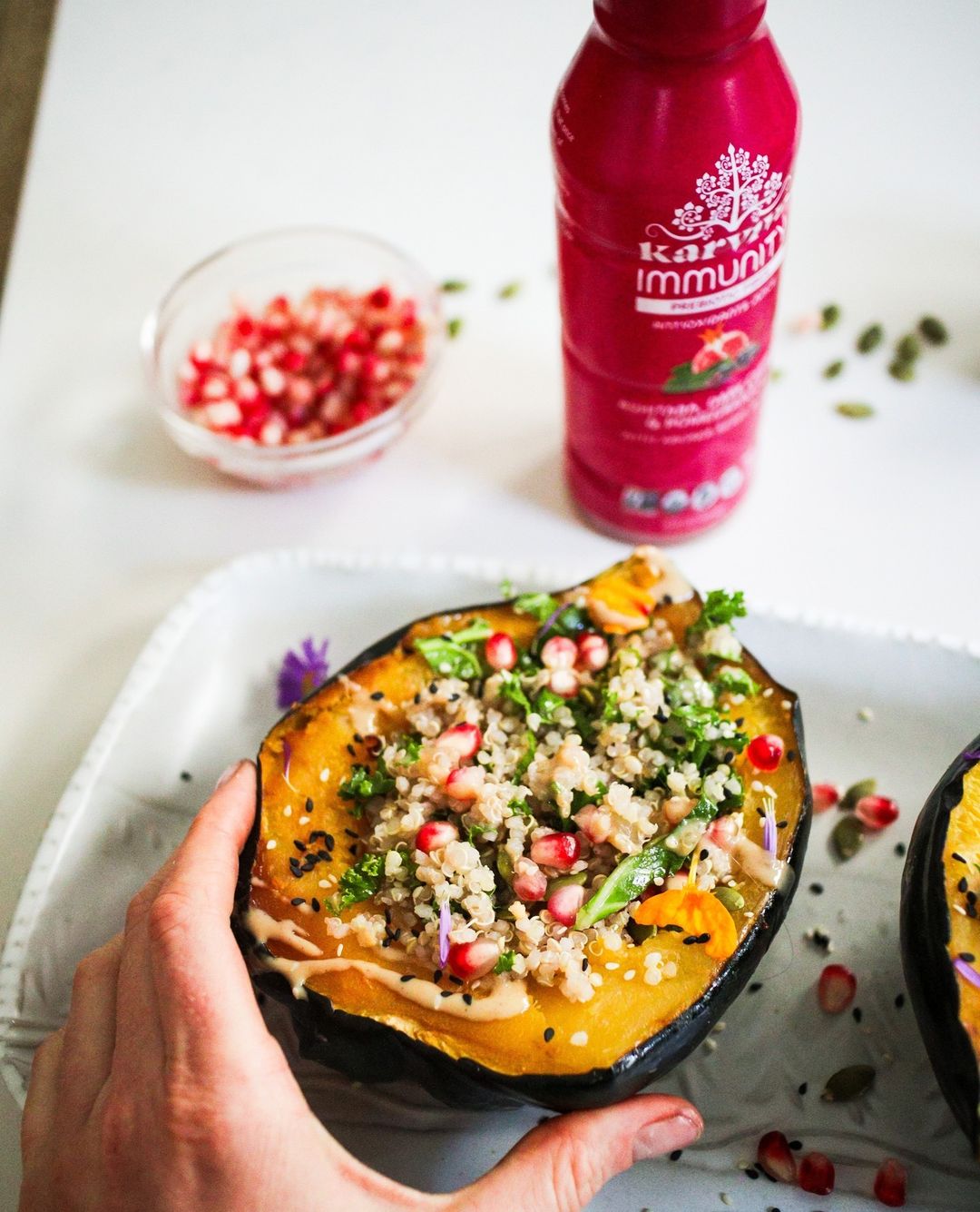
Cooked vegetables are especially supportive—easier to digest and more nourishing.
In TCM, most vegetables are “blood-building” and “yin-nourishing”—supporting exactly what menopause depletes.
The Karviva Approach: Science, Tradition, and Respect
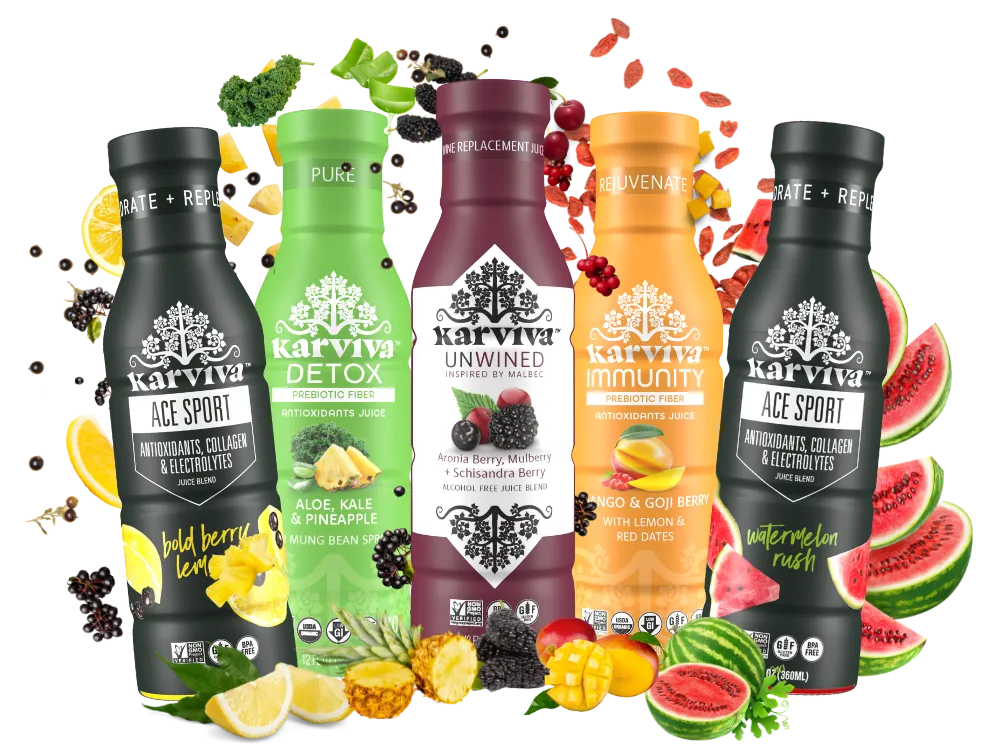
I founded Karviva because women deserve more than “eat less and exercise more.” Menopause is complex. Your body needs support, not discipline or shame.
- We use whole foods, not isolates—your body recognizes real food best.
- Plant-based nutrition is tailored to your changing biology.
- We aim for benefits you can feel: more energy, better sleep, improved resilience.
- Our philosophy: work with your biology, never against it.
Real-Life Strategies for Menopause
Morning:
Swap coffee + pastry for a green smoothie, nuts, and a veggie scramble.
Afternoon:
Instead of skipping dinner after snacking, try yogurt and berries or hummus and veggies.
Evening:
Replace a heavy late dinner with a balanced meal: cooked veggies, moderate protein, healthy fats.
Mindset:
Shift from “my body is failing me” to “my body is changing, and I can adapt.”
Try This: The 7-Day Metabolism Foundation
- Days 1–2: Track your calcium; add 3 sources daily.
- Days 3–4: Assess your vitamin D—get sun, eat D-rich foods, or supplement.
- Days 5–7: Add a serving of vegetables to every meal; aim for more veggies than fruit.
Notice changes in energy, sleep, hunger, mood, and digestion. Your body will show you what’s working.
The Truth About Menopause
Menopause isn’t the beginning of decline—it’s a recalibration. In TCM, post-menopausal years are called “second spring”—a phase for creativity, wisdom, and renewed vitality. The women who thrive are those who listen to their bodies, adjust their nutrition, and treat themselves with compassion.
You have decades of vibrant life ahead. Will you spend them fighting your body, or partnering with it?
Have menopause nutrition questions? Share them in the comments below, and I’ll address them in future posts.