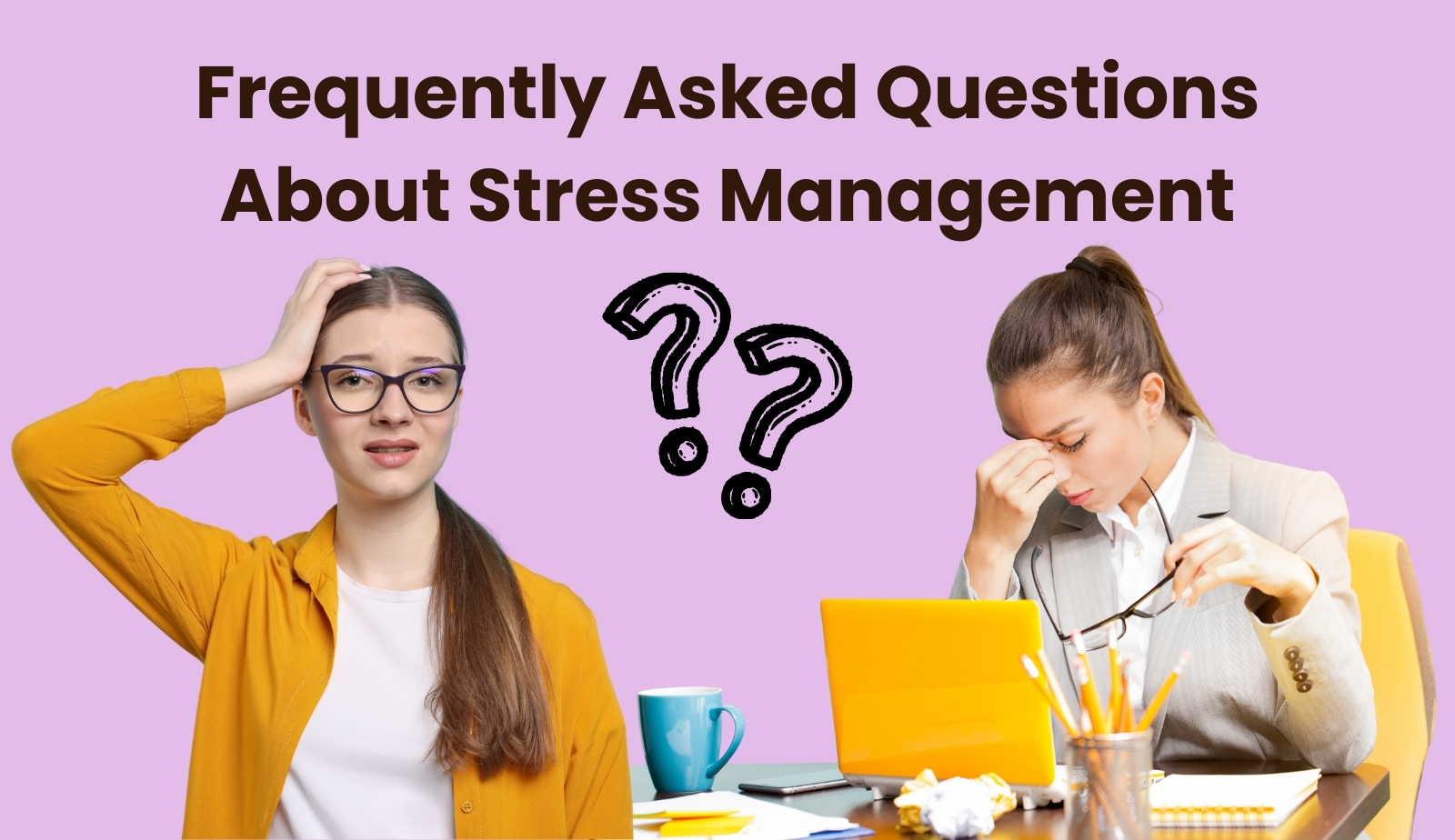
What are the physical symptoms of chronic stress?
Chronic stress can manifest in a variety of physical ways, and the experience is different for everyone. Common symptoms include:
- Persistent muscle tension, particularly in the shoulders, neck, or jaw
- Digestive issues such as bloating, constipation, or stomach discomfort
- Difficulty falling or staying asleep
- Frequent headaches or migraines
- Lowered immune function, resulting in more frequent colds or illness
- Changes in appetite or eating patterns
- Ongoing fatigue, even after adequate rest
- Skin problems, including breakouts or inflammation
If you’re noticing several of these symptoms, your body may be signaling a need for additional support. These are not personal shortcomings—they’re valid indications from your nervous system that it’s time to prioritize self-care.
How long does it take to reduce stress levels naturally?
The timeline for reducing stress naturally depends on your unique situation and the strategies you implement. Some techniques offer almost immediate benefits:
- Deep breathing can help calm the nervous system within minutes
- Brief outdoor walks can provide noticeable relief in as little as 10–15 minutes
- Organizing your workspace can often reduce mental tension the same day
Other approaches build resilience over time:
- Consistent movement and nutritional changes typically deliver results within 2–6 weeks
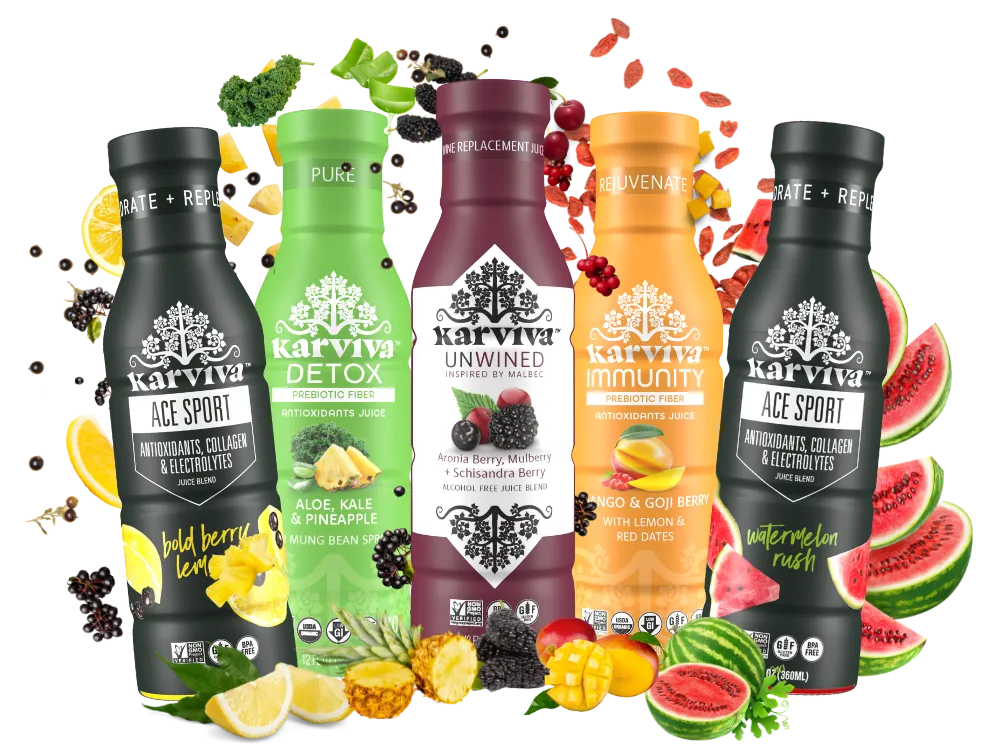
- Incorporating adaptogenic herbs (such as those found in our Karviva beverages) may show effects within 2–4 weeks
- Improving sleep habits often leads to better stress resilience in 1–2 weeks
Consistency is key. Small, sustainable habits practiced daily tend to yield the most meaningful improvements.

What’s the difference between acute and chronic stress?
Acute stress is short-term and typically tied to specific events—such as a presentation, deadline, or challenging conversation. The body responds, manages the situation, and then returns to baseline. This is a normal and sometimes even beneficial physiological response.
Chronic stress, on the other hand, occurs when the nervous system remains in a heightened state for prolonged periods, often due to ongoing pressures like work demands, financial concerns, or caregiving responsibilities. Without opportunities for recovery, chronic stress can disrupt sleep, digestion, immunity, and emotional balance. Managing chronic stress is less about eliminating all stress and more about ensuring your body has regular opportunities to rest and recover.
Can nutrition play a role in stress management?

Yes—what you eat can significantly impact your body’s ability to manage stress. Supportive foods include:
- Leafy greens and vegetables (rich in magnesium, which helps regulate the stress response)
- Whole grains and legumes (high in B vitamins essential for nervous system function)
- Berries and colorful plants (packed with antioxidants)
- Omega-3-rich foods such as walnuts, flaxseeds, and chia seeds (support brain health and mood)
- Fermented foods (promote gut health, which influences the gut-brain axis)
Foods to limit for better stress management:
- Excess sugar (can cause blood sugar fluctuations and cortisol spikes)
- High caffeine intake (may overstimulate the nervous system)
- Alcohol (disrupts sleep and increases anxiety rebound)
- Highly processed foods (often lack key nutrients)
For more insights, explore our Karviva blog.
What are adaptogens and how do they work?
Adaptogens are a class of herbs and plants that help the body adapt to stress by supporting balance (homeostasis). Unlike stimulants or sedatives, adaptogens help regulate the body’s response to stressors.
Common adaptogens include:
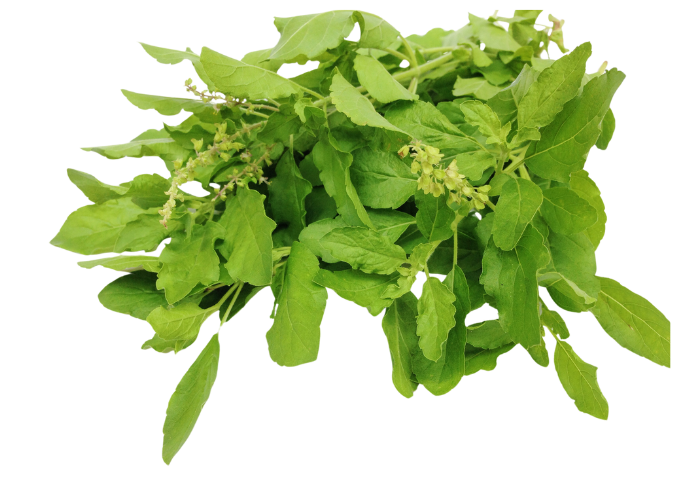
Holy Basil (Tulsi): May support mood and metabolic stress response

Ashwagandha: May help reduce cortisol and support sleep quality
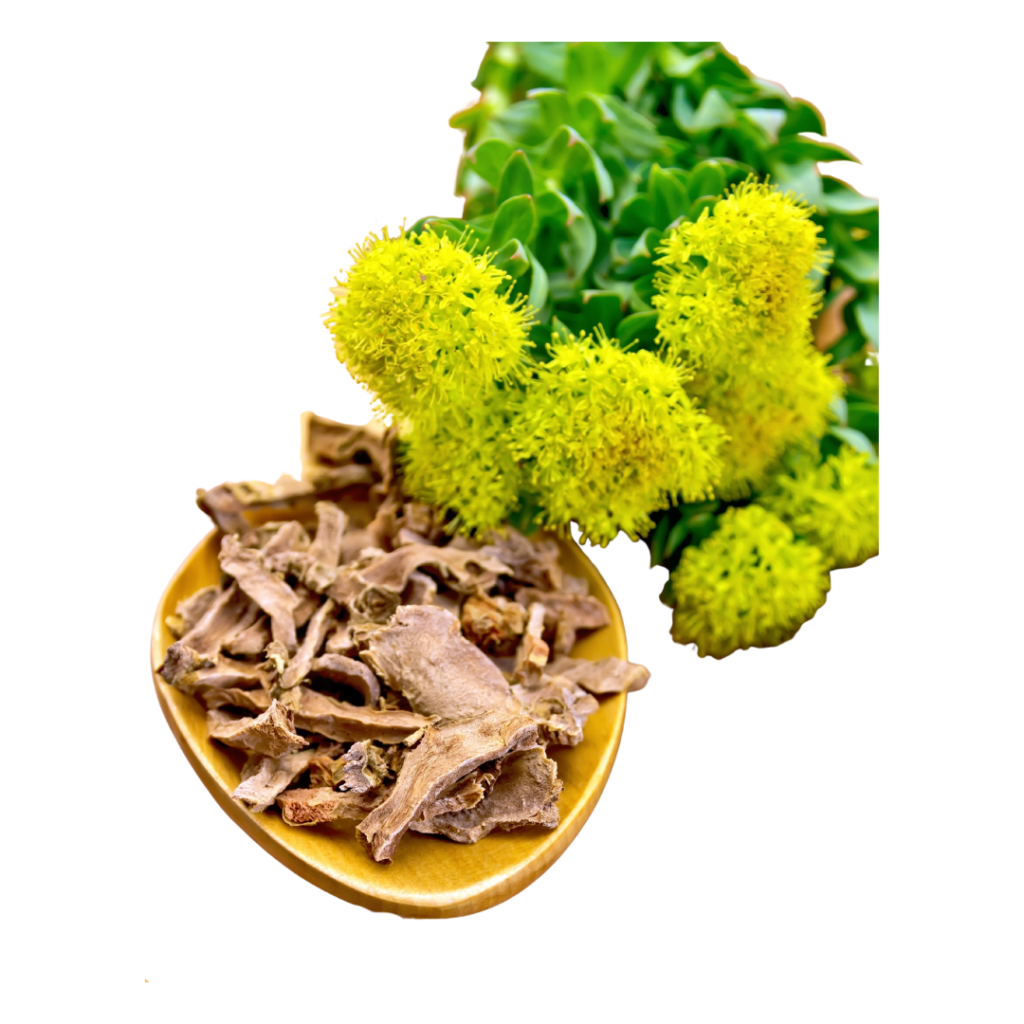
Rhodiola: Traditionally used for mental stamina and endurance

Schisandra Berry: Used in Traditional Chinese Medicine to support liver and mental clarity
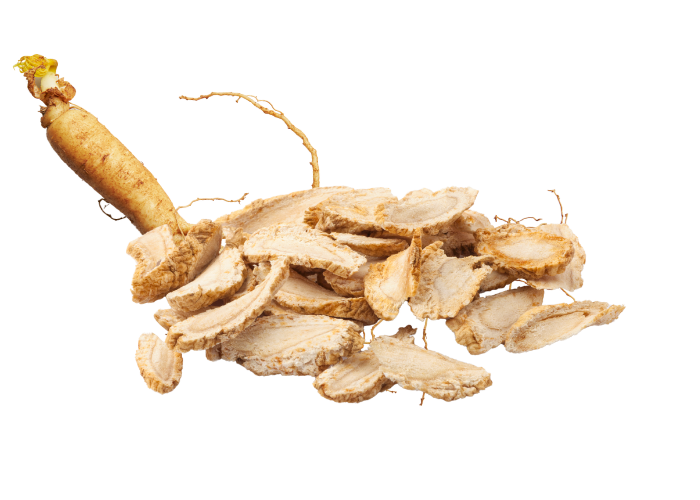
Ginseng: May enhance energy and immune resilience
Adaptogens typically work best with consistent use over several weeks. Our functional beverages incorporate adaptogenic herbs for convenient, daily support.
Is exercise beneficial for stress, or can it sometimes make things worse?
Exercise is a well-established strategy for relieving stress, but the benefits depend on type, intensity, and your current stress level. Physical activity is most helpful when it:
- Is moderate and matches your current energy
- Is genuinely enjoyable
- Includes outdoor time or social connection
- Is paired with adequate nutrition and rest
Exercise can become counterproductive if you’re already exhausted, undernourished, or pushing through intense workouts without recovery. Gentle to moderate movement—such as walking, yoga, or stretching—often provides the greatest benefit for stress management.
How does sleep affect stress levels?
Sleep and stress are closely linked, each influencing the other. Inadequate sleep can:
- Elevate cortisol levels
- Reduce your ability to regulate emotions
- Impair decision-making and focus
- Weaken immune function
- Increase inflammation
Chronic stress, in turn, can disrupt sleep by keeping cortisol elevated at night, causing racing thoughts, and creating physical tension. To improve both sleep and stress resilience, prioritize a consistent bedtime, a calming pre-sleep routine, reduced screen time, and a cool, dark environment.
When should I seek professional help for stress?
Consider reaching out to a healthcare provider or mental health professional if:
- Stress is interfering with your daily life
- You experience persistent anxiety, panic attacks, or depression
- Sleep problems last more than a few weeks
- You’re relying on substances to cope
- Physical symptoms are severe or worsening
- You have thoughts of self-harm or feel consistently overwhelmed
Seeking support is a proactive and wise step toward well-being
Can Traditional Chinese Medicine (TCM) support stress management?
Traditional Chinese Medicine has addressed stress for thousands of years, viewing it through concepts such as Qi stagnation and organ imbalances. TCM approaches include acupuncture, herbal formulas, dietary therapy, and gentle movement practices like Qigong or Tai Chi. Modern research increasingly supports these traditional methods for improving stress resilience and overall wellness.
What’s an effective daily routine for managing stress?
The most effective routine is one you can maintain consistently. Consider the following framework:
Morning:
- Wake at a consistent time
- Gentle stretching or movement
- Nourishing breakfast
- Brief moment of intention-setting or gratitude


Throughout the day:
- Regular movement breaks
- Balanced meals every few hours
- Mindful breathing during transitions
- Time outdoors when possible
- Boundaries around work and notifications
Evening:
- Wind-down routine 30–60 minutes before bed
- Limit screens and stimulating content
- Light dinner at least 2–3 hours before sleep
- Relaxing activities like reading or stretching
- Consistent bedtime

Start with one or two practices and build gradually. Consistency is more effective than striving for perfection.
If you have more questions about natural stress support, our team is here to help you find what works for your unique needs. Explore Karviva’s functional beverages and visit our wellness blog for additional resources on stress resilience and holistic health.