Menopause is a significant transition in a woman’s life, marked by both physical and hormonal changes. While modern medicine focuses on hormonal shifts and their physiological impacts, Traditional Chinese Medicine (TCM) offers a unique perspective, viewing menopause as a shift from Yin to Yang dominance. This article combines these insights, offering a comprehensive approach to managing weight and health during menopause.
Understanding Menopause Through the Lens of TCM
In TCM, menopause is seen as a natural process where the body transitions into a more Yang dominant state due to the decrease in Yin levels. Yin and Yang, the fundamental principles of TCM, represent opposite but complementary forces. Yin is associated with coolness, calmness, and moisture, while Yang represents warmth, activity, and dryness.
As women age, the Yin (which is linked to estrogen in TCM) naturally declines, leading to an imbalance that manifests as increased Yang. This shift can disrupt bodily homeostasis, leading to symptoms often associated with menopause such as hot flashes, night sweats, and mood swings.
Managing Weight and Health: A Blended Approach
Balanced Nutrition and Caloric Management: A modest calorie deficit is recommended for managing weight. Foods that nourish Yin, such as tofu, black sesame, and certain fruits can be beneficial.
Eating Mindfully to 70% Fullness: This aligns with TCM’s emphasis on balance and moderation in all things, including diet.
Resistance and Gentle Exercises: While modern medicine advocates for resistance training, TCM also suggests incorporating gentle balancing exercises like Tai Chi or Qigong which promote the flow of Qi (vital energy) and balance Yin and Yang.
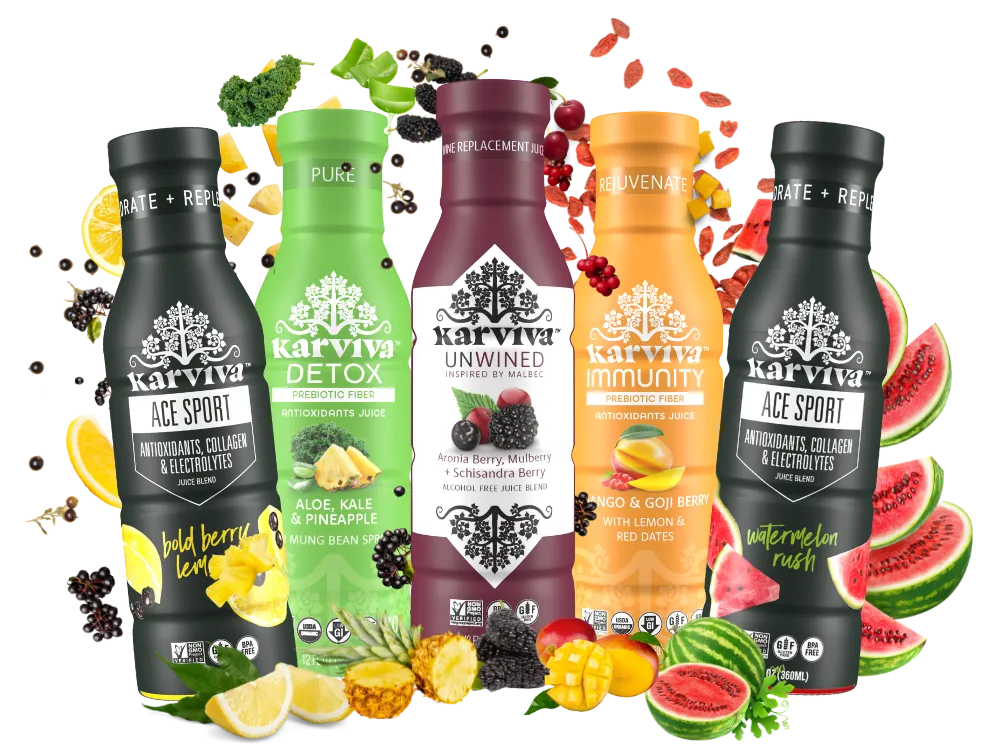
Low Sugar, Yin-Nourishing Diet: Avoid high-glycemic foods and include Yin-nourishing foods that are rich in phytoestrogens, aiding in hormone balance. This is one of the formulation principles of Karviva Whole Plant Juices and Smoothies.
Natural Estrogens and Herbal Remedies: In addition to phytoestrogens from foods, TCM recommends certain herbs that can help in balancing Yin and Yang, such as Dong Quai (Angelica sinensis) and Rehmannia.
Key Nutrient Intake: Focus on nutrients crucial for bone health, complemented by foods that nourish Yin and support overall health. The formulation philosophy of Karviva is rooted in restoring Yin and Yang balance by transforming natural food synergies into easy-to-absorb nutrients.
Adequate Sleep and Stress Management: TCM emphasizes the importance of rest and stress reduction in maintaining Yin-Yang balance. Practices like meditation and acupuncture can be beneficial.
Additional TCM Insights for Menopause
Hydration and Moisture: Since Yin is associated with moisture, staying hydrated is crucial during menopause. Nourishing Yin is the formulation foundation of Karviva ACE Recovery Juice Blends, the synergies among natural whole food ingredients in Karviva ACE restores the Yin and Yang balance.
Embrace the Transition: TCM views menopause not just as an end to fertility but as a new stage of wisdom and growth, encouraging a positive outlook.
Regular TCM Consultations: Consulting with a TCM practitioner can provide personalized herbal and lifestyle recommendations based on your Yin-Yang balance.
Conclusion
Menopause, a time of significant change, can be navigated gracefully by integrating modern medical advice with the wisdom of Traditional Chinese Medicine. Understanding the shift from Yin to Yang and taking steps to maintain balance can help manage weight, preserve health, and embrace this transformative phase with positivity and vitality. Remember, each woman’s experience is unique, and a combined approach tailored to individual needs is often the most effective.