




When you think of vitamin D, you probably picture strong bones. But did you know this essential nutrient does so much more? Decades of research now show that vitamin D is crucial for immune support, heart health, brain function, and even your metabolism.
Yet, despite all the buzz, vitamin D deficiency is still surprisingly common—even for people who eat well and spend time outdoors. So, how can you really support healthy vitamin D levels in your daily life?
Why Vitamin D Matters for Your Immune System
Vitamin D acts more like a hormone than a typical vitamin. Once your body activates it, vitamin D connects with special receptors found everywhere—from your immune cells and gut lining to blood vessels and the brain.
Research shows that vitamin D helps:
- Balance your immune system (both innate and adaptive responses)
- Control inflammation in the body
- Keep your gut lining strong and healthy
- Support nerve and muscle function
Low vitamin D has been linked to higher risks of immune imbalances, mood swings, and metabolic issues. Keeping your levels steady is about more than just bone health—it’s a foundation for feeling your best.
Why Sunlight Isn’t Always Enough
Our bodies make vitamin D when our skin is exposed to sunlight, specifically UVB rays. But here’s the catch: how much vitamin D you make depends on things like:
- The time of year and where you live
- What time of day you’re outside (midday is best)
- Your skin tone
- Your age
- Whether you use sunscreen or cover up
A quick tip: If your shadow is longer than you are tall, your body isn’t making much vitamin D. That means even active, outdoorsy people can still come up short—especially in winter or if you live far from the equator.
The Gut–Vitamin D Connection
Vitamin D is fat-soluble, so your body needs a healthy digestive system to absorb it well. If you struggle with gut health or have an imbalanced microbiome, your vitamin D levels might suffer—even if you’re eating or supplementing enough.
This is why nourishing your gut with prebiotics and plant-based nutrients is key. A healthy gut helps you get the most out of every nutrient, vitamin D included.
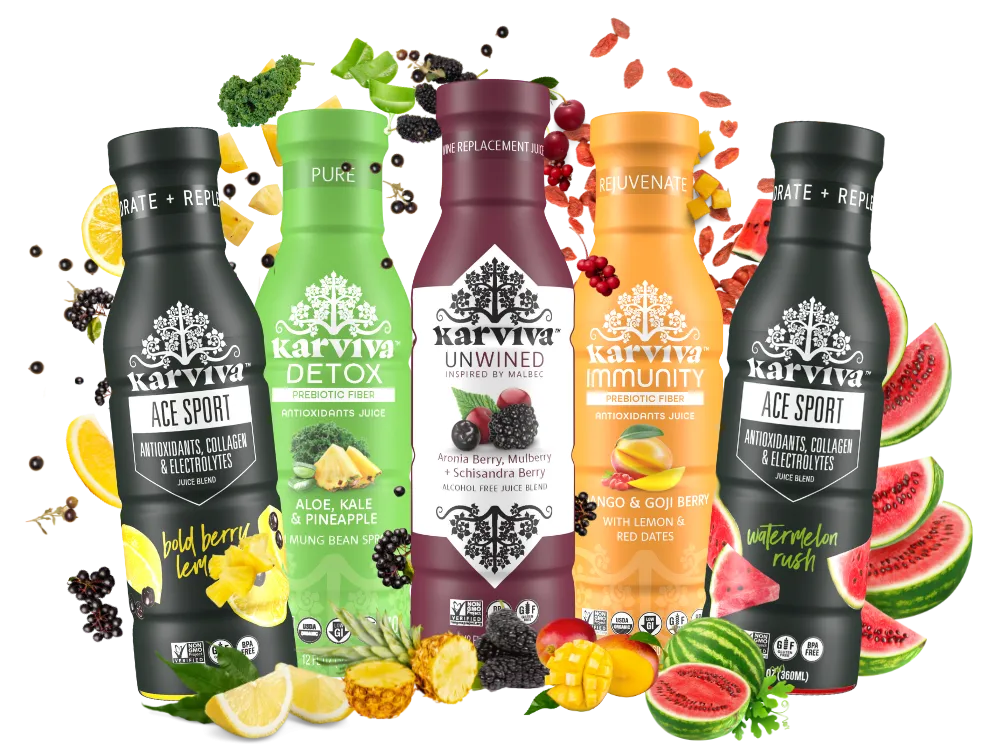
A Plant-Forward Solution: Karviva JoyD Juice
At Karviva, we believe in supporting your wellness with whole-plant nutrition—not just isolated vitamins. That’s why we created Karviva JoyD Juice:
- Plant-based vitamin D and vitamin C for immune and cellular health
- Prebiotic compounds to feed your good gut bacteria
- Antioxidant-rich botanicals to help your body fight everyday stress
By combining immune-supporting nutrients with digestive support, JoyD Juice takes a holistic approach—helping your body absorb, use, and benefit from what you put in.
Vitamin D FAQs: What People Ask Most
Most experts recommend around 800 IU daily, but everyone’s needs are different. Blood tests are the best way to know if you’re in the optimal range (generally above 30 ng/mL, but some aim for 50–80 ng/mL).
It depends! Factors like time outdoors, season, skin tone, and where you live all matter. Many people still need to get vitamin D from foods or supplements, especially in winter.
Vitamin D2 comes from plants (like mushrooms), while D3 is usually from animal sources (though vegan D3 exists). Both help, but D3 is often preferred for supplements.
Not many! Mushrooms (if exposed to light) are the main plant source. Animal sources include fatty fish, eggs, and dairy. That’s why a plant-based juice with vitamin D is so unique.
Severe deficiency can harm your bones, but even mild shortfalls can affect immunity, mood, and metabolism. Sometimes, symptoms are subtle or go unnoticed.
Severe deficiency can harm your bones, but even mild shortfalls can affect immunity, mood, and metabolism. Sometimes, symptoms are subtle or go unnoticed.
Older adults, people with darker skin, those with gut or absorption issues, individuals with higher body fat, and anyone who gets little sun exposure.
Yes, but it’s rare and usually only happens with very high-dose supplements. Always check with your healthcare provider before making big changes.
Absolutely. Since it’s fat-soluble, taking vitamin D with a meal that contains healthy fat helps your body absorb it better.