

Food does more than fill a plate. It brings us together, connects us with traditions, and gives our bodies the nutrients they need to function.
That is the useful idea behind “food as medicine”: recognizing that what we eat can play an important role in caring for our health.
It does not mean every ingredient is a cure, or that a nutritious meal replaces medical care. It means looking at everyday food choices as opportunities to nourish ourselves-not as another set of rules to get right.
From supporting digestion to building a heart-healthy eating pattern, here are three ways food can make a meaningful difference.
1. Food provides the building blocks your body needs
Behind the scenes, your body is constantly working: breaking down food, using energy, growing, and repairing cells. Nutrients from food and drink help make those processes possible.
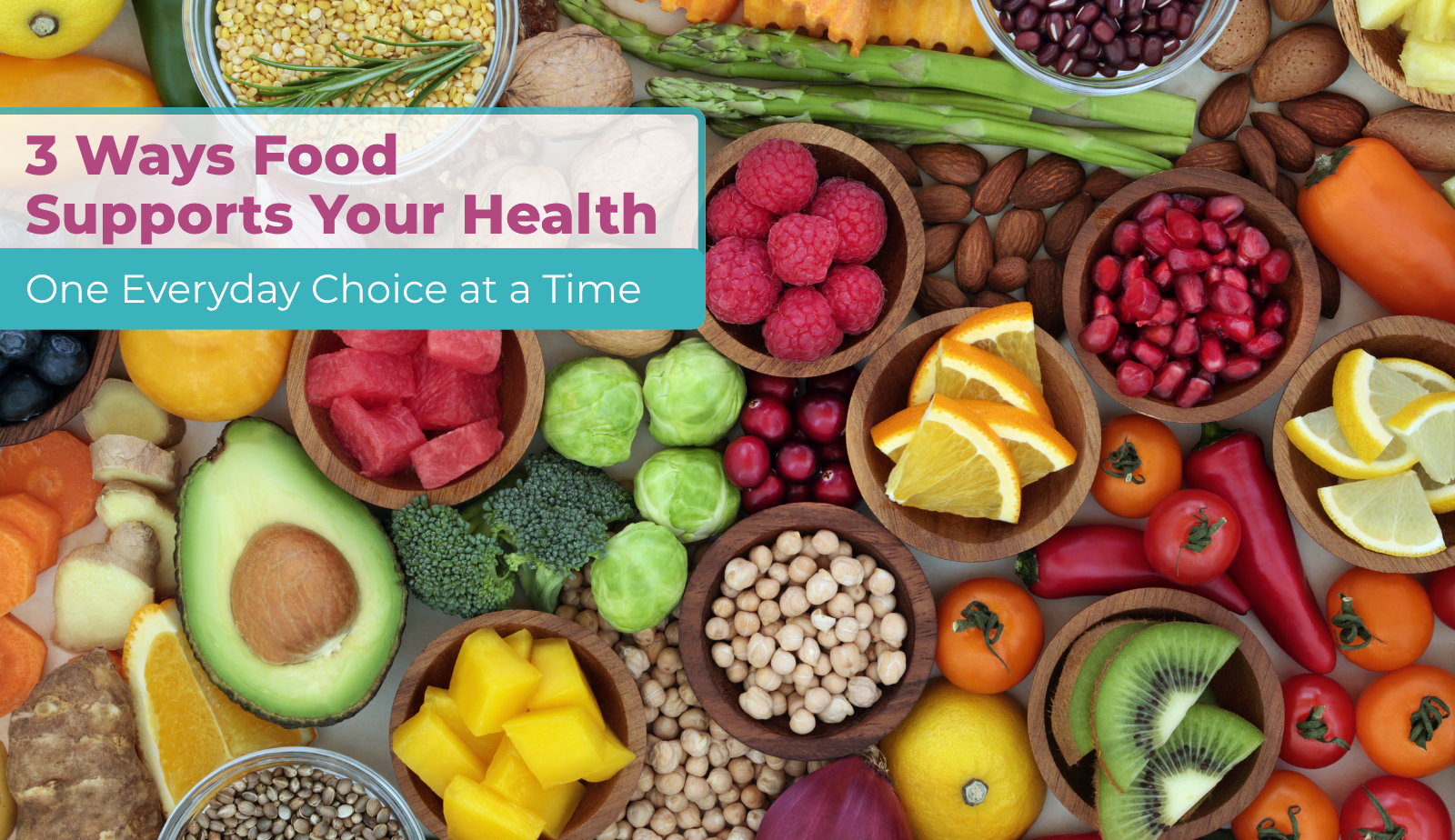
Carbohydrates, proteins, fats, vitamins, minerals, and water all have a place in that picture. Rather than searching for one “perfect” ingredient, aim for variety across your meals. Fruits, vegetables, whole grains, beans, nuts, and other nutritious foods contribute different nutrients to your diet.
Think of a bowl of oatmeal topped with berries and nuts, or a lunch built around vegetables, brown rice, and beans. The value comes from the combination-not a single ingredient doing all the work.
Make it part of your day
Start with something you already enjoy, then add variety:
- Top your usual breakfast with fruit.
- Add beans or lentils to a favorite soup.
- Include another vegetable alongside dinner.
- Try a whole-grain option in a meal you make regularly.
You do not need to reinvent the way you eat. Begin with one meal and one addition.
2. Food helps support comfortable, regular digestion
Digestive health is not about finding a dramatic cleanse. Sometimes, the most useful place to start is with everyday basics: fiber and fluids.
Fiber-rich foods can help prevent or relieve constipation, and drinking enough liquids helps fiber work better. Good sources of fiber include oats, beans, lentils, fruits, vegetables, nuts, and whole-grain foods.
If you are adding more fiber, take it gradually. Increasing your intake a little at a time gives your body a chance to adjust.
Make it part of your day
Try a small, repeatable change:
- Choose oatmeal for breakfast.
- Stir lentils into a soup or stew.
- Enjoy a pear or berries as part of a snack.
- Keep water nearby during meals and throughout your day.
Your digestive needs are individual. If symptoms persist, or you have a condition that affects what you can eat, ask a healthcare professional for advice rather than relying on a general food rule.
3. Your overall eating pattern can support long-term heart health
One meal does not define your health. The pattern you build over time matters more.
The American Heart Association recommends an eating pattern that includes a wide variety of fruits and vegetables, whole grains, and healthy protein sources, with an emphasis on foods such as beans, lentils, nuts, and seeds. It also recommends limiting added sugars and sodium and choosing unsaturated fats in place of saturated fats.
That is a broader-and more useful-approach than expecting one berry, seed, or drink to protect your health on its own.
It also leaves room for personal taste, family recipes, and the foods that make eating enjoyable.
Make it part of your day
Build on familiar favorites:
- Add chickpeas to a salad or grain bowl.
- Use brown rice or another whole grain in a favorite dish.
- Include a vegetable you genuinely enjoy.
- Try olive oil in a dressing or recipe where it works well.
The goal is not a flawless plate. It is a pattern you can return to.
What “food as medicine” means in everyday life
It can be tempting to turn healthy eating into a search for the most powerful ingredient or the perfect routine.
But caring for yourself can look much simpler: a satisfying breakfast, a colorful lunch, a comforting dinner, and choices that fit your life.
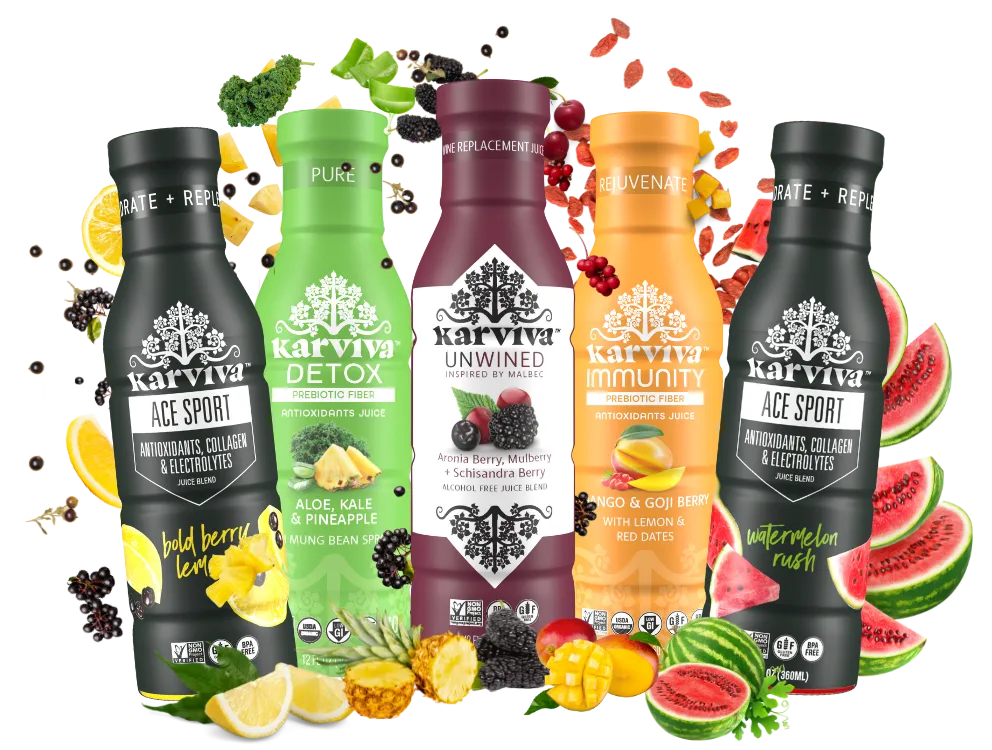
At Karviva, our food-as-medicine philosophy begins with an appreciation for ingredients and the role food plays in daily well-being. Our original approach draws inspiration from East Asian food traditions and thoughtful ingredient combinations.
That philosophy is an invitation to be curious about what you eat—not to expect one food or beverage to do everything.
Start with your next meal
You do not have to change everything at once.
Choose one small step: add a plant food, try a whole grain, or make space for a more varied meal.
Food is not a cure-all. But nourishing yourself is a meaningful form of everyday care.
Explore Karviva and find a favorite to enjoy alongside your everyday meals and routines.
This article is for general education and does not replace individualized medical or nutrition advice. Foods and beverages are not substitutes for prescribed treatment.